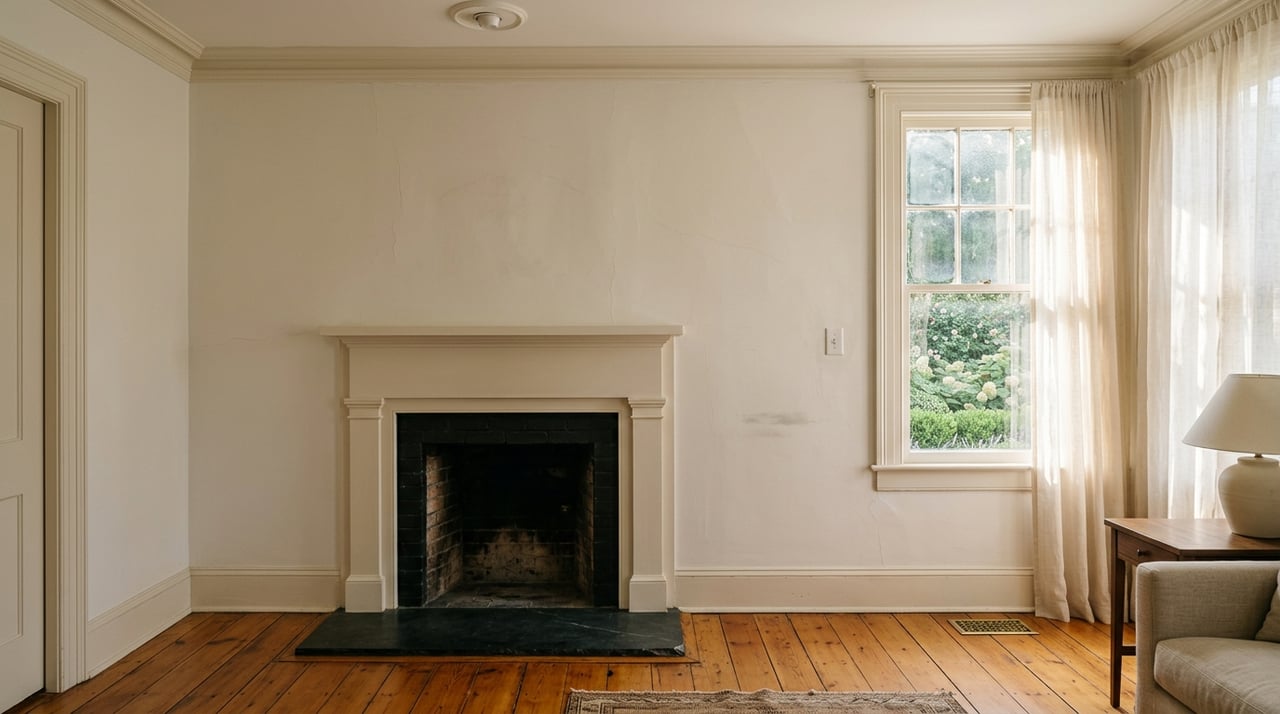
If you are drawn to Madison’s historic homes, you are not alone. The charm is easy to see, but buying an older home here involves more than falling in love with a front porch or original details. When you understand how Madison’s historic district works, what to inspect closely, and which questions to ask before you buy, you can move forward with more confidence. Let’s dive in.
Madison’s Historic Setting
Madison’s historic district is not just a handful of older houses scattered around town. According to the City of Madison’s historic district overview, the district includes downtown Madison and the surrounding residential neighborhoods, with local designation in 1999 and National Register listing dating back to 1974.
That matters because when you buy here, you are stepping into a larger historic setting with a clear architectural pattern and preservation framework. The city describes Madison as one of Georgia’s most intact concentrations of historic architecture, and the district reflects development from the early 19th century through the early 20th century.
What You May See in Madison Homes
Madison’s historic housing stock includes a wide range of styles. The city’s local designation report identifies Greek Revival, Gothic Revival, Italianate, Queen Anne, Craftsman, Tudor, Neoclassical, Colonial Revival, Romanesque Revival, and several vernacular house forms throughout the district.
You may also notice some recurring construction traits. Many historic homes in Madison are wood-frame structures with weatherboard siding, and many are raised on brick piers rather than continuous foundations. That is part of the reason inspections need to go deeper than finishes and cosmetic updates.
Greek Revival and Symmetrical Details
Some homes in Madison feature the balanced look often associated with Greek Revival design. Common cues include symmetry, columns, and entryways with transoms and sidelights.
These details can help you understand what gives a home its historic character. They can also affect how future exterior work is approached if the property is within the local historic district.
Victorian and Italianate Features
If you are drawn to decorative homes with more visual variety, you may notice Victorian and Italianate influences. The city’s report highlights bracketed eaves, round-headed windows, decorative porches, multigabled roofs, asymmetrical forms, and corbelled chimneys among the features buyers may see.
These homes often have strong curb appeal, but they can also include more exterior elements that need maintenance over time. Porch details, trim, masonry, and rooflines all deserve a careful look.
Craftsman, Tudor, and Vernacular Forms
Madison also includes Craftsman homes with wide eaves, low-pitched roofs, shingle walls, heavy porch columns on piers, and 9/1 windows. Tudor examples may feature half-timbering, casement windows, and overhanging eaves.
You will also find simpler vernacular forms such as T-plan and L-plan cottages, hall-and-parlor plans, workers’ housing, and other modest homes with narrow frontages. These homes may be less ornate, but they are still part of the district’s broader historic story.
Why Inspections Matter More
Historic homes can be wonderful places to live, but they usually require closer evaluation than new construction. Madison’s preservation criteria specifically call out foundations, structural members, siding, masonry joints, chimneys, windows, doors, flashing, gutters, downspouts, vents, porches, stairs, termite protection, utilities, and site erosion as areas where deterioration can threaten a property.
In practical terms, that means your inspection strategy should be thorough. A standard inspection is important, but with an older Madison home, it is wise to pay special attention to how the house handles moisture, how the foundation system is performing, and whether exterior materials are aging well.
Pay Attention to Moisture and Drainage
Moisture is one of the biggest issues in older homes. Madison’s local materials and National Park Service guidance both point to water intrusion, runoff, drainage, and ventilation as major concerns for historic buildings.
If a home is raised on brick piers, you will want to understand crawlspace conditions, the condition of the piers and any infill, and whether water is moving away from the house properly. Roof runoff, gutters, downspouts, and grading can all affect the long-term condition of a historic home.
Look Closely at Foundations and Porches
Because many Madison homes sit on brick piers, a buyer should not assume that a beautiful interior means the structure below is in the same condition. Settlement, moisture, and deferred maintenance can show up around piers, porch supports, stairs, and framing members.
This does not mean every older home has major problems. It means you should give the foundation system and porch areas the same attention you give the kitchen or roof.
Windows May Be Repaired, Not Replaced
Historic windows are another common topic for buyers. According to the National Park Service guidance on historic windows, repair should generally be the first option considered for deteriorated historic windows.
That can surprise buyers who assume replacement is always the better move. In many cases, weatherstripping, glazing work, sash repair, or storm windows may improve performance without removing historic materials.
Understand Madison’s Review Process
Before you plan exterior changes, it is important to know whether the property is inside Madison’s local historic district. The city requires a Certificate of Appropriateness through its design review process for exterior changes within the historic district, including hardscape features such as drives, walks, and fences, and permits are not issued until that approval is in place.
For buyers, this is not necessarily a drawback. It simply means there is a review process for exterior work, and it is best to understand it before you close if you are already thinking about renovations or updates.
Exterior Changes Need Approval
If you want to change siding, windows, porches, roofing details, fences, or certain site features, review may be required. Madison’s preservation program uses the Secretary of the Interior’s Standards for Rehabilitation as a core reference point.
That usually means the goal is to preserve historic character while allowing work that is appropriate for the property and the district. It is a good idea to ask early what previous owners changed and whether approvals were obtained.
Additions and New Work Must Fit
Madison’s preservation manual says additions and new construction should respect setback, height, roof shape, scale, window rhythm, and compatible materials. The emphasis is on fitting into the district rather than copying every historic detail exactly.
For you as a buyer, that can help set expectations. If you are considering expanding a home later, it is smart to think about compatibility and review requirements from the beginning.
Health and Safety Questions to Ask
Older homes can come with materials-related questions that newer properties may not. The EPA explains that the older the home, the more likely it is to contain lead-based paint, and most housing built before 1978 triggers federal disclosure requirements before sale or lease.
The EPA also notes that asbestos-containing materials usually cannot be identified by sight alone and are often best left undisturbed if they are intact and will not be disturbed by work. If renovation is part of your plan, asking the right questions up front matters.
Smart Questions Before You Buy
When you are evaluating a historic home in Madison, try asking:
- Is the property inside Madison’s local historic district?
- What exterior changes require review or a Certificate of Appropriateness?
- What prior work was done to the roof, windows, siding, porches, or foundation?
- Were permits or historic approvals issued for that work?
- Which features are original, and which are later updates?
- Are there known issues with moisture, drainage, termites, or settlement?
- Is the home pre-1978, and have lead disclosures or testing been completed?
- Are there materials that should not be disturbed without specialist evaluation?
These questions can help you separate cosmetic appeal from real condition. They can also help you understand what ownership may look like after closing.
Build the Right Inspection Team
A practical approach for a historic home is to combine a general home inspection with professionals who understand older buildings. Depending on the property, that may include a structural engineer, roofer, pest professional, preservation contractor, or historic-preservation consultant.
The National Park Service rehabilitation guidance supports case-by-case planning with qualified preservation professionals, especially when repairs or material replacement could affect historic character. In other words, the right advice early can save you time, stress, and costly surprises later.
Historic Charm and Clear Eyes
Buying a historic home in Madison can be deeply rewarding. You get the chance to own a property that reflects the city’s architectural history and adds to the character that makes Madison so distinctive.
At the same time, a smart purchase comes from balancing emotion with due diligence. If you know how the district works, understand the building’s condition, and ask the right questions, you will be in a much stronger position to choose a home that fits both your lifestyle and your long-term plans.
If you are considering a historic home in Madison and want local guidance on what to watch for, connect with Rhonda Smith. You deserve a thoughtful, informed buying experience from a team that knows this market well.
FAQs
What should buyers know about Madison’s historic district before buying a home?
- Buyers should confirm whether a property is inside Madison’s local historic district, because exterior changes may require a Certificate of Appropriateness before permits are issued.
What inspection issues matter most for historic homes in Madison?
- Buyers should pay close attention to moisture, drainage, brick piers, crawlspaces, porches, siding, chimneys, windows, and termite-related concerns, since these are common age-related risk areas in older homes.
What does Madison require for exterior changes to a historic home?
- Madison requires design review and approval for many exterior changes within the local historic district, including some hardscape items such as drives, walks, and fences.
What should buyers ask about old windows in a Madison historic home?
- Buyers should ask whether the windows are original, what repairs have been made, and whether repair may be a better option than replacement for preserving historic character.
What should buyers ask about lead-based paint in an older Madison home?
- Buyers should ask whether the home was built before 1978 and whether the required federal lead-based paint disclosures or any testing have been completed.
Should buyers use specialists when inspecting a historic home in Madison?
- Yes. In addition to a general inspector, buyers may benefit from specialists such as structural engineers, roofers, pest professionals, or preservation-focused contractors depending on the home’s condition and planned work.
