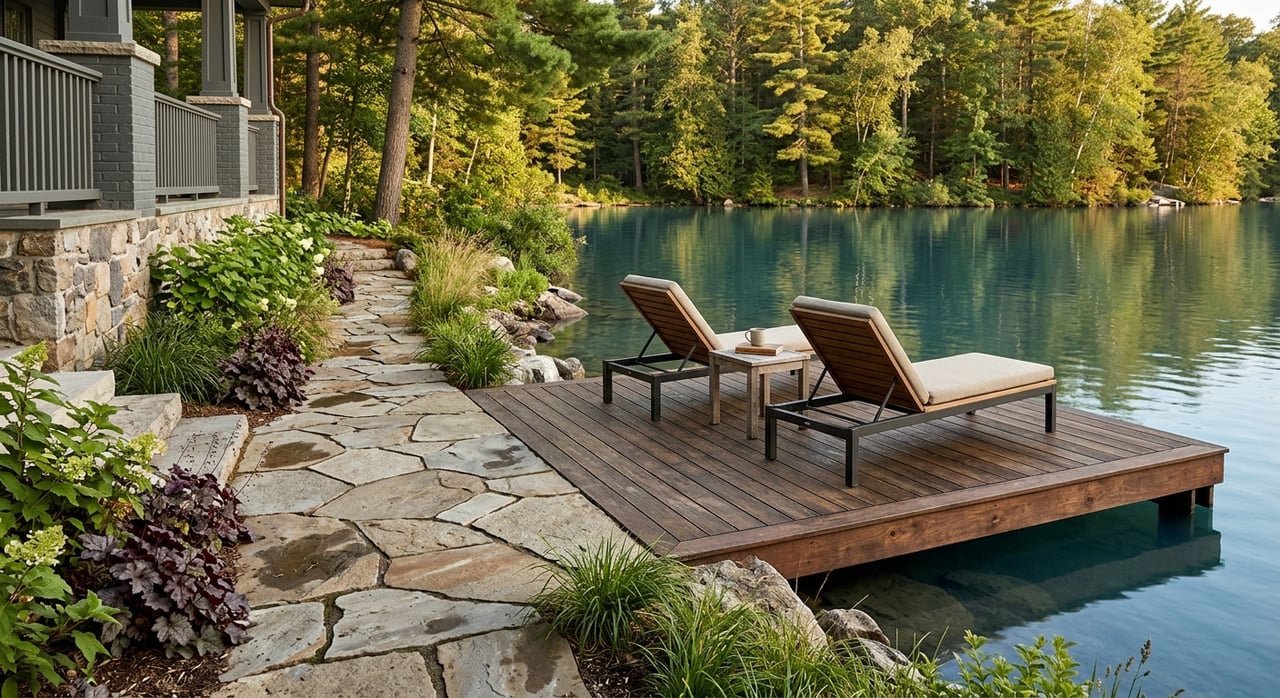
Thinking about selling your Reynolds Lake Oconee waterfront home but not sure where to start? You are not alone. Lake properties come with unique permit rules, dock considerations and buyer expectations that can either fuel a top-dollar sale or slow you down. In this guide, you will learn the exact steps to prepare, price and market a lakefront home in Reynolds with less stress and more confidence. Let’s dive in.
What makes Reynolds lakefront sales different
Reynolds buyers look for proof of water access, dock usability and a seamless lifestyle. At the same time, Lake Oconee’s shoreline is managed by Georgia Power, which adds important rules to verify before you list. Getting your paperwork and property story ready early can give you leverage and keep your timeline on track.
Georgia Power shoreline rules to verify
Georgia Power manages docks, boathouses, seawalls and dredging around Lake Oconee through its Shoreline Management Program. Before you list, request a shoreline permit history and a shoreline compliance letter so you know exactly what exists, what was permitted and what can transfer to a buyer. You can learn more about permits and shoreline guidelines on Georgia Power’s shoreline management page.
Focus on three details:
- Whether your lot is deeded or sits on Georgia Power project lands with a license or lease.
- Whether the current dock, lift or boathouse has an active permit and meets dimension rules.
- Whether any past dredging or shoreline work was approved and documented.
If anything was built without the proper permit, address it early. Unresolved shoreline issues can delay or derail a closing.
County permits, flood mapping and septic
Some projects above the shoreline, like outbuildings or land-disturbing seawall repairs, may also involve Greene County permitting. If you completed work, confirm the permit history and close out any open items. The county provides applications and guidance on the Greene County building permit page.
Add a quick flood-zone check to your prep list. Many inland lake homes are outside Special Flood Hazard Areas, but you should verify your exact lot using the FEMA Flood Map Service Center. If a structure is inside a mapped SFHA, a lender may require flood insurance or an elevation certificate.
If your home is on septic or well, get a current inspection or pump-out report and water test. Buyers and lenders often ask for recent documentation.
Community, club and marina transfer details
Reynolds has its own rules for marina use, slip assignments and club memberships. Buyers want clarity on what transfers, what does not and what fees apply. Gather HOA or club transfer documents, any marina slip lease terms and initiation or transfer fees before you go live. For current operations and context, review the community’s Reynolds marina rates and schedules, then confirm your specific transfer details directly with management.
Pre-listing inspections and repairs
Waterfront buyers usually head straight to the dock and shoreline. Take the questions off the table with a proactive inspection plan.
- Marine and dock inspection. Document the condition of pilings, decking, hardware, cleats, lifts and dock electrical. Repair safety issues or disclose them clearly.
- Shoreline stabilization. If you see erosion or need rip-rap or bulkhead repairs, seek guidance and, where required, approvals through Georgia Power and the county. Georgia Power’s vegetative buffer and dredging rules apply around the lake. See the shoreline management guidance for program details.
- Septic and well. Order a septic inspection or pump-out report and a water test if applicable.
- Full home inspection. Address roof, HVAC and electrical items that often appear in buyer requests.
- Title, survey and easements. Verify exact waterfront rights, lot lines and whether your dock license is transferable or located on Georgia Power project lands.
Set a practical budget and timeline for any work. Costs vary by scope and vendor experience, so request multiple quotes early and schedule repairs that offer the highest return.
Pricing your Reynolds waterfront
Pricing a lakefront home is different from pricing inland properties. Comps must reflect waterfront characteristics, amenity access and permit status.
What drives value at Lake Oconee
Premium features include deeded shoreline, deep water at the dock, a usable boat lift, a boathouse, wide frontage or point-lot exposure, long unobstructed views and close proximity to amenities like the marinas, golf and club services. Items that can hold value back include non-transferable dock licenses, required shoreline remediation, septic or well issues, steep or difficult access and limited water depth at the dock.
For context, countywide pricing runs high compared to many rural areas. Recent reports on Realtor.com’s Greene County market overview placed the median in the high-800k range for all property types, while lakefront sales vary widely from mid-six figures to several million depending on micro-location and amenities. Use recent, like-for-like waterfront comps inside and outside the gates, and be sure your appraiser understands dock and license status.
Seasonality and timing
Spring is typically the strongest window to list, since buyers can see and experience the lake lifestyle in real time. National research from Realtor.com often cites a mid-April “best week to list” target. You can read the latest insights in Realtor.com’s seasonality research. That said, a well-priced, well-presented Reynolds property can perform in any season with the right media package.
Marketing that proves the lifestyle
Your buyer’s first showing happens online. For lake homes, your media must prove water access and dock quality, then sell the lifestyle through light, flow and context.
Staging that highlights the water
Inside, simplify sightlines to the view. Arrange furniture to show natural movement from the main rooms to the porches and dock, declutter and depersonalize, and lean on neutral palettes so buyers can picture themselves in the home. If your price point supports it, consider a professional stager. The National Association of REALTORS reports that proper staging can reduce days on market and improve offers. Learn what to expect when hiring a pro in this NAR staging guidance.
Outside, power-wash and repair the dock, replace missing hardware, tidy electrical and safety items and trim low vegetation within the rules to open up the view. A small bistro set on the dock or porch helps buyers grasp the scale and imagine the setting.
Photography, drone and 3D tours
Commission a full media package: exterior hero images at golden hour, interiors that frame the water, a detailed dock sequence and strategic aerials that show shoreline shape, the lot’s relationship to neighboring docks and proximity to amenities.
- Aerials and compliance. Hire a certified operator. FAA rules apply to commercial drone work, including Part 107 licensing and Remote ID. Start here to learn about becoming a Part 107 drone pilot.
- 3D virtual tour. Many out-of-town buyers rely on immersive media to pre-qualify a lake home. Matterport reports listings with 3D tours can sell faster and at higher prices. See their findings on Matterport’s research page.
- Balanced gallery. Aim for 20 to 40 high-quality images, leading with your best waterfront and dock shots. Include a short 60 to 120 second walk-from-porch-to-dock video to showcase flow.
Showings that focus on the dock
During in-person showings, make it easy to confirm the essentials: depth at the dock, lift size and specs, permitted dimensions and how quickly you can reach open water. Create a one-page handout or digital sheet that summarizes this information.
- Bold move that helps: prepare a dock facts sheet with water depth, slip dimensions, lift capacity, permit copies and maintenance history. Place it next to the property brochure and include it with your MLS attachments.
Your six-week prep timeline
Use this as a planning guide. Adjust for your property’s scope and vendor availability.
- Weeks 1 to 2: Order title and survey. Request a Georgia Power shoreline permit history and a shoreline compliance letter. Pull HOA or club transfer documents and marina lease terms. Schedule inspections for dock, septic and the home. Review Greene County permitting if relevant. See Georgia Power’s program overview for what to gather.
- Weeks 2 to 5: Complete priority repairs on the dock and shoreline, address safety items, finalize your staging plan and book your photographer, drone pilot and 3D tour provider.
- Week 6: Capture photography, aerials and twilight images. Publish the 3D tour, finalize your brochure and dock facts sheet and prepare your listing for launch. If you can, time your debut for spring or early summer when the lake lifestyle is in full focus.
Legal and disclosure basics in Georgia
Georgia is commonly treated as a buyer-beware state, but you still must not make misrepresentations and you should disclose known latent defects. Many sellers choose to complete the Georgia REALTORS Seller Property Disclosure as a practical best practice. Review common questions on GAR’s legal FAQs and plan to include shoreline permits, septic records, past flooding, dock work and HOA documents in your listing packet.
Final checklist for sellers
Use this quick list to stay organized.
- Request Georgia Power shoreline history and a shoreline compliance letter.
- Confirm dock, boathouse and any dredging permits.
- Pull Greene County permit history for past work and close out any open items.
- Check FEMA flood maps for your lot and note lender or insurance requirements.
- Gather HOA or club transfer details, marina lease terms and any initiation fees.
- Order septic, well and full home inspections, plus a dock inspection.
- Build your dock facts sheet with permits, lift specs and maintenance history.
- Book a professional photo package with aerials, twilight and a 3D virtual tour.
- Price with recent waterfront comps and note any non-transferable licenses or fees.
Next steps
A strong Reynolds Lake Oconee sale starts with clear permits, a confident pricing plan and media that proves your dock, depth and lifestyle. If you want help coordinating inspections, gathering shoreline documents and building a high-impact marketing package, reach out. The process should feel guided and transparent from the first conversation to the closing table.
Have questions about your dock license, membership transfer or the best timing to list? Start a conversation with Rhonda Smith for a tailored plan.
FAQs
What should I verify about my Lake Oconee dock before listing?
- Confirm Georgia Power permits for the dock, lifts and any boathouse, ask for a shoreline compliance letter, verify water depth and prepare a one-page dock facts sheet with specs and maintenance history.
Do dock permits at Lake Oconee transfer to the buyer automatically?
- Not always; transferability depends on Georgia Power’s licensing or lease history and lot classification, so request written verification early to avoid surprises.
How important is a 3D tour for a Reynolds waterfront listing?
- Very; out-of-town buyers rely on immersive media and Matterport’s research shows listings with 3D tours can sell faster and at higher prices.
When is the best time to list a Reynolds Lake Oconee home?
- Spring often brings the most activity, with Realtor.com highlighting a mid-April peak in its seasonality research, though a well-prepped, well-priced property can sell any time.
What disclosures should I prepare for a Lake Oconee waterfront sale?
- Georgia is generally buyer-beware, but you must not misrepresent and should disclose known latent defects; many sellers use the Georgia REALTORS disclosure and include shoreline permits, septic records, flood info and HOA documents as part of the packet. You can review GAR’s legal FAQs for more context.
Do I need a licensed drone operator for listing photos?
- Yes; commercial drone work requires an FAA Part 107-certified pilot and compliance with Remote ID, so hire a qualified pro as outlined by the FAA’s Part 107 guidance.
