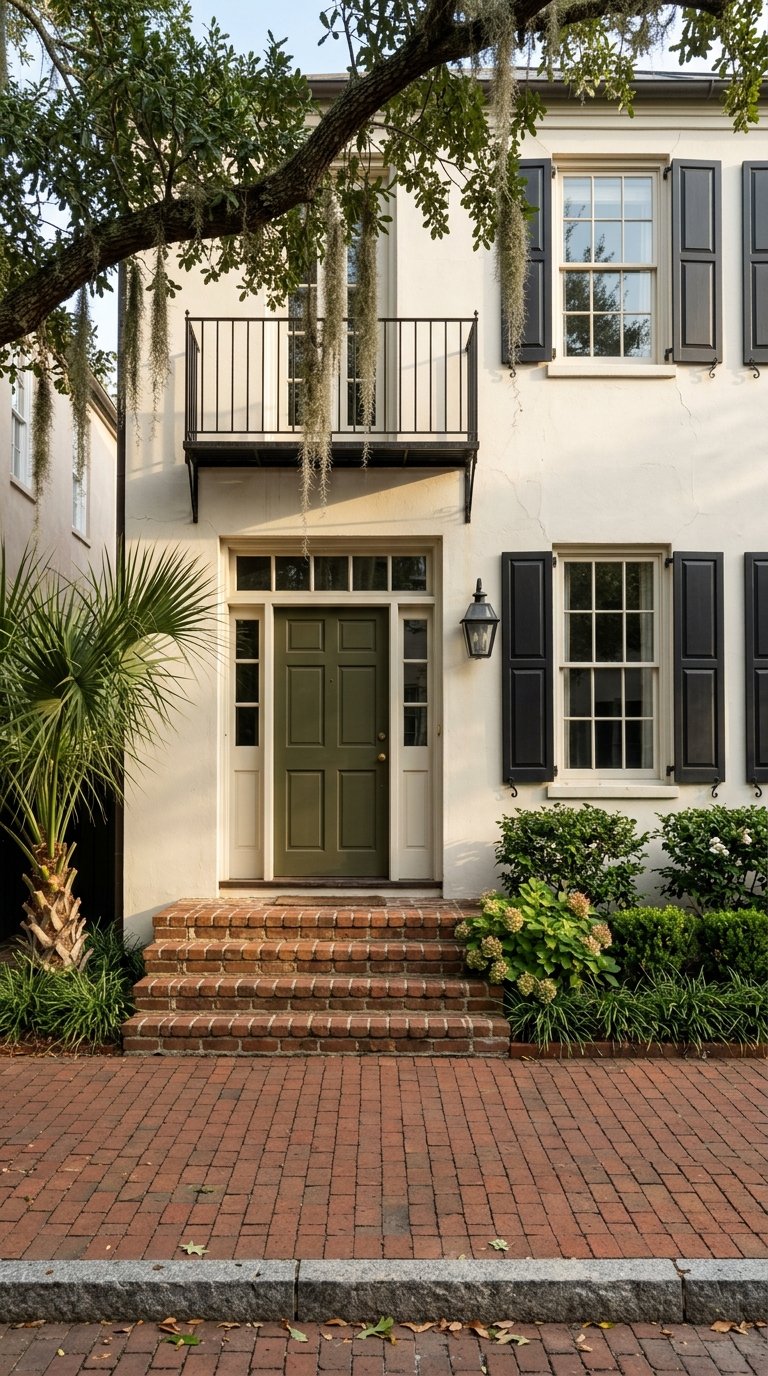
What does it really feel like to live in Savannah’s Historic District once the vacation photos and walking tours fade into the background? If you are thinking about making a move, you probably want more than postcard charm. You want to know how people get around, where daily life happens, and what the rhythm of the neighborhood feels like from week to week. Here’s a practical look at everyday life in Savannah’s Historic District and what you can expect when this iconic area becomes part of your routine.
Historic District character
Savannah’s Historic District stands out because of its walkable city layout. The National Park Service describes it as a rigid street grid with linear brick walkways, more than 1,100 residential and public buildings, and 24 original squares. Visit Savannah notes that 23 of those original 24 squares remain today.
That layout shapes how you experience the neighborhood every day. Instead of long suburban stretches and large parking lots, you move through short blocks, shaded paths, and public squares that break up the city into smaller, more human-scale spaces. It gives the district a sense of order, beauty, and ease that many buyers find hard to match.
SCAD notes that Savannah’s historic center is the largest National Historic Landmark District in the United States. For residents, that means historic preservation is not just something you notice on a weekend stroll. It becomes part of your daily backdrop, from the architecture to the street patterns to the public spaces around you.
Savannah squares shape daily life
The squares are one of the biggest reasons life here feels different. They are not just scenic landmarks. They function as shared outdoor rooms where people gather, pause, and pass through during the day.
Visit Savannah describes the squares as places where people picnic, meet musicians, join tour groups, or spend quiet time under live oaks. The City of Savannah also treats them as public spaces that can be reserved for events. That mix gives the district a unique feel that is both peaceful and active at the same time.
For you, this can mean a quick walk with a built-in green view, an easy place to sit outside, or a public setting that always feels alive. Daily life often unfolds in these in-between spaces, not just inside homes or businesses. That is part of what makes the Historic District feel so connected.
Getting around without driving everywhere
One of the most practical advantages of living in the Historic District is that you may not need your car for every outing. Chatham Area Transit’s free DOT shuttle runs seven days a week, arrives about every 10 minutes, and serves 18 stops across the Historic District.
That kind of access supports a more walkable, car-light routine. If you are heading to dinner, meeting friends, or moving around downtown for errands, the shuttle can make everyday trips easier. In a Southern downtown, that is a meaningful quality-of-life benefit.
Walking is also part of the appeal. Because the district is built around short blocks and connected public spaces, many day-to-day destinations feel naturally close. For buyers who want a more pedestrian-friendly lifestyle, this is one of the area’s strongest draws.
Parking is still part of the routine
Even in a walkable neighborhood, parking still matters. The City of Savannah says residents living in metered zones can apply for a residential parking decal, which allows free on-street parking in metered spaces, subject to residency requirements and zone restrictions. The city also offers guest permits.
That means living here often comes with a little more planning than in neighborhoods with private driveways and open street parking. If you are considering a move, it helps to understand the parking rules that apply to the specific property and zone. Knowing the details up front can make day-to-day living much smoother.
In other words, the Historic District supports walking and transit, but it does not erase the need to think about parking. It simply shifts it into one more part of downtown life.
Dining and shopping close to home
The Historic District offers a level of convenience that can be hard to find in other neighborhoods. Visit Savannah describes City Market as a former central marketplace from the 1700s that now serves as a hub for restaurants, creative arts spaces, live performances, shopping, and museums.
The same source says the River Street and City Market area includes more than 75 boutiques, galleries, and artists’ studios. For residents, that means many everyday pleasures and errands are within a short distance. You may be able to grab a meal, browse shops, enjoy live music, or spend part of the afternoon in a gallery without driving across town.
This mix of uses gives the district an active, layered feel. It is not only a place to visit. It is a place where daily routines can naturally include dining, culture, and local businesses.
Arts and culture are part of the neighborhood
In Savannah’s Historic District, culture is not pushed off into one isolated corner. It is woven into the streets and buildings around you. Telfair Museums has three Historic District sites: the Jepson Center, Telfair Academy, and Owens-Thomas House & Slave Quarters. Telfair also says it is the oldest public art museum in the South.
SCAD says its Savannah campus includes nearly 70 buildings and is embedded in the city’s artistic core. That presence adds to the area’s creative energy and makes art, design, and events feel like a natural part of the neighborhood fabric. You are not traveling to a cultural district. You are already in one.
The Historic Savannah Theatre and the Lucas Theatre for the Arts remain active downtown venues with current performances and events. That means a regular week can include exhibitions, lectures, screenings, or live shows without much advance planning. For many residents, that access becomes one of the best parts of living downtown.
Seasonal events change the pace
The Historic District has a distinct calendar, and that affects daily life more than many first-time buyers expect. March is one of the clearest examples. The City of Savannah describes its St. Patrick’s Day parade as one of the largest parades in America, and the city also notes the district’s Land Rush tradition in the squares along with major street-closure and towing rules near the parade route.
For residents, that means spring can bring a major shift in traffic, parking, and crowd levels. Some people love that energy and see it as part of the district’s civic identity. Others simply want to be prepared for the extra activity and planning that comes with living near major events.
The cultural calendar stays busy beyond March. Savannah Music Festival is a nonprofit spring festival founded in 1989, and SCAD’s Savannah Film Festival is an eight-day October event held in historic venues across the district that draws more than 60,000 guests. City Market also hosts recurring seasonal events, including holiday programming and arts-focused gatherings.
Living with visitors and local rules
One of the defining features of the Historic District is its balance between residential life and visitor activity. It is a real neighborhood, but it is also one of Savannah’s best-known destinations. That creates energy, convenience, and cultural activity, while also bringing busier times of year and more public use of shared spaces.
The City of Savannah regulates short-term vacation rentals in the downtown historic districts through a registration and certificate process. Along with transit, parking, and event rules, that regulation helps shape how the district functions as both a neighborhood and a high-traffic destination.
If you are considering a home here, it is worth thinking honestly about your lifestyle. Do you enjoy a lively setting with public activity nearby? Do you value walkability, culture, and access over a quieter, more private daily routine? The right fit often comes down to how you want your days to feel, not just how a home looks online.
What everyday life feels like
At its core, everyday life in Savannah’s Historic District is about access and atmosphere. You are surrounded by historic architecture, public squares, museums, theaters, restaurants, and local gathering places. Many of the things people drive to elsewhere are built into the neighborhood itself.
At the same time, living here means adjusting to the realities of downtown life. Parking rules, visitor traffic, and seasonal events are all part of the experience. For the right buyer, those tradeoffs are more than worth it because the district offers a lifestyle that feels walkable, connected, and full of character.
If you are weighing a move to a historic area, it helps to look past the beauty and ask how the neighborhood works on a normal Tuesday. That is often where the real answer is found.
When you are ready to talk through lifestyle fit, relocation questions, or what to look for in a historic-area home, Rhonda Smith is here to help with a warm, informed approach.
FAQs
What is daily transportation like in Savannah’s Historic District?
- Daily transportation in Savannah’s Historic District can be very walkable, and Chatham Area Transit’s free DOT shuttle runs seven days a week with service about every 10 minutes across 18 stops in the district.
What should residents know about parking in Savannah’s Historic District?
- Residents in certain metered areas of Savannah’s Historic District may apply for a residential parking decal for free on-street parking in metered spaces, subject to city residency requirements and zone restrictions.
What kinds of shops and dining are in Savannah’s Historic District?
- Savannah’s Historic District includes hubs like City Market and the River Street area, where Visit Savannah says you will find restaurants, creative spaces, museums, and more than 75 boutiques, galleries, and artists’ studios.
How do seasonal events affect life in Savannah’s Historic District?
- Seasonal events can significantly affect life in Savannah’s Historic District, especially during St. Patrick’s Day, spring festival season, and fall events, when street closures, crowds, and parking changes become part of the routine.
What makes Savannah’s Historic District feel unique for residents?
- Savannah’s Historic District feels unique because of its preserved street grid, historic architecture, public squares, walkable layout, and the way arts and culture are built into everyday neighborhood life.
